
Forensic Audio Resources
Audio evidence is showing up in more cases, in more formats, from more sources than ever: body cameras, cell phones, doorbell cameras, voicemail systems. Most of it arrives with problems no one noticed until it mattered.
Compressed audio from a doorbell camera isn't the same challenge as a wiretap recording or a covert cell phone capture. The device, the format, and how it was handled all shape what forensic analysis can and can't accomplish.
These resources get into the specifics: what the work involves, what to expect, and where the limitations are.
Two Fake Videos Ended the Case. Nobody Checked the Rest.
What to Do When Opposing Counsel Challenges Your Audio Evidence
Audio Authentication in the Age of AI: What Attorneys Need to Know
Common Myths About Audio Enhancement in Legal Cases
Steps to Clarify Damaged Audio Files for Legal Use
Solutions for Poor Quality Surveillance Audio Recordings
Deciphering Faint Audio Through Enhancement
How Digital Tools Transform Unclear Audio into Clear Evidence
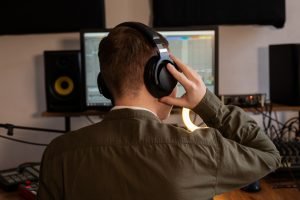
How a Forensic Audio Expert Analyzes Evidence
Making Home Recordings Clear and Usable
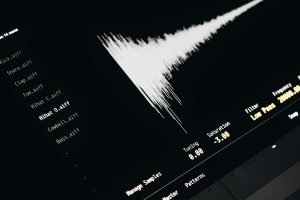
Handling Low-Quality Audio In Legal Cases
Clarifying Lost Words From Damaged Audio Files
Dealing With Background Noise in Legal Audio Recordings
How Audio Experts Examine Voice Evidence
Creating Better Voice Recordings for Legal Use
What To Expect From Audio Enhancement Services
Getting Professional Help for Audio Evidence
Bringing Back Lost Details in Damaged Recordings
Verify Audio File Authenticity In 5 Simple Steps
Why Some Audio Files Need Professional Improvement
Uncovering Hidden Clues in Background Sounds
Making Hard-to-Hear Audio Clear for Legal Presentations
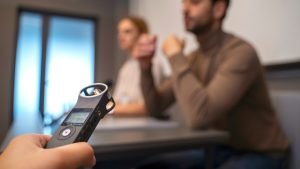
When Your Audio Recording Needs Professional Analysis
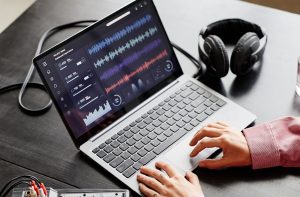
Audio Editing Techniques That Preserve Evidence Integrity
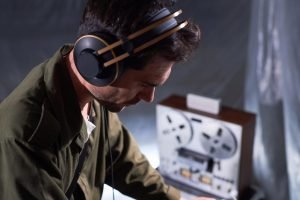
What Audio Evidence Is Most Persuasive in Legal Cases
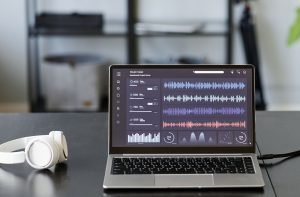
Decoding Background Noises in Audio Files
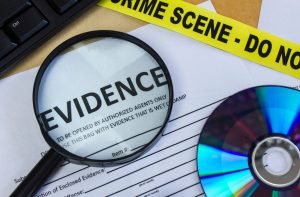
When Audio Evidence is Crucial in Court
Fixing Poor Audio Quality in Criminal Cases: Key Solutions
How Audio Forensics Supports Infidelity Cases in Family Law
Clarifying Distorted Audio for Legal Evidence
How Audio Clarification Can Help Resolve Family Disputes
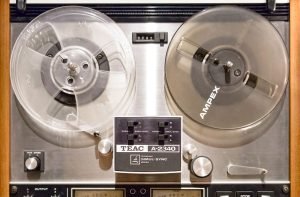
Understanding the Basics of Audio Forensics Techniques
How Audio Forensics Supports Your Legal Case
Forensic Audio: Supporting Investigations with Sound
What Makes Audio Forensics Credible?
Forensic audio isn’t guesswork, it’s guided by documented methods, transparent procedures, and reproducible results. From waveform comparison to signal isolation and enhancement, each analysis is grounded in clarity, not speculation, by an audio forensics expert.
This library highlights how experts approach real problems, and how flawed or misleading recordings can often be corrected, contextualized, or clarified. Enjoy these resources hand-picked by an audio forensics expert to help you understand how recordings are examined and what affects their reliability as evidence.
Curious about the forensic process? See how audio evidence is clarified →
