
Before the Recording Drives the Decision
When a recorded statement or a claims call drives a coverage decision, the audio has to be sound before the decision rests on it. Recorded statements, SIU (Special Investigations Unit) interviews, and surveillance audio move through phones, portals, and re-exports that can shift what they seem to show. Before that recording anchors a claim investigation, a denial, a referral, or a defense, I'll tell you what it reliably establishes, what's open to challenge, and where it won't carry the weight you need.
"Is the audio solid enough to rely on?"
Incident audio is rarely clean: a 911 call on a narrowband line, a dashcam mic fighting road noise, a phone recording from a pocket. I'll tell you whether clarification can bring the moment you care about forward enough to rely on, or whether the recording just can't carry it. A preliminary review covers that before you commit.
"Is it authentic and complete?"
A recording that's been trimmed, re-saved, or exported can look complete and not be. Authentication examines the file's encoding history and consistency for indicators of editing, gaps, or re-encoding, so a coverage decision rests on the whole record, not a partial one. As synthetic and edited audio gets easier to produce, documenting a recorded statement's integrity at the time it's received is worth more than reconstructing that question later.
"Will it hold if the claim is litigated?"
If a denial or referral turns into litigation, the audio behind it gets examined. Documenting the recording's integrity now, to the standards it'll be tested against, means the decision is built on something defensible.
Independent Analysis
Work Directly with Mark
One examiner from intake through any testimony. No handoffs.
Verbal First
Findings communicated verbally until a written report is authorized.
For Either Side
Available to carriers, SIU, or counsel on either side of the claim.
Pro Bono Consult
Initial call to discuss the recording and your questions.
Honest Read
Where a recording can't support a decision, you'll hear it before you spend.
Standards-Aligned
Methodology aligned with SWGDE and ABRE.
Plain Language
Findings a claims team or a court can follow.
How engagement works
1
Call Mark
Describe the recording and what the case needs.
2
Preliminary assessment
Feasibility, then a clear proposal.
3
The Work
Scoped to what's worth doing, reported the way you need it.
Questions Before the Decision
Can a recorded statement or EUO (Examination Under Oath) recording be clarified?
Often the intelligibility can be improved where the information is present in the recording; where a passage is too degraded, I'll say so rather than guess. A preliminary review establishes which, before any work.
Can you tell whether a claimant's recording was altered?
Authentication examines the file for indicators of editing, gaps, or re-encoding when they're detectable, and documents what's present and what isn't, addressing the question on technical grounds.
Can you compare voices on a recording?
I provide qualitative sound comparison, reported as supports, does not support, or inconclusive, not absolute identification. Where a case needs more than that, I'll tell you and try to point you to the right referral.
What does a written report include?
Comprehensive reports document features of the recordings examined, methods applied, findings, and limitations. Structured for independent technical review and formatted to support motions, depositions, or trial testimony. Prepared only when retaining counsel authorizes it.
For more, see the full FAQ.
Tell Me About the Recording.
Send a few details. No obligation, just a straight read.
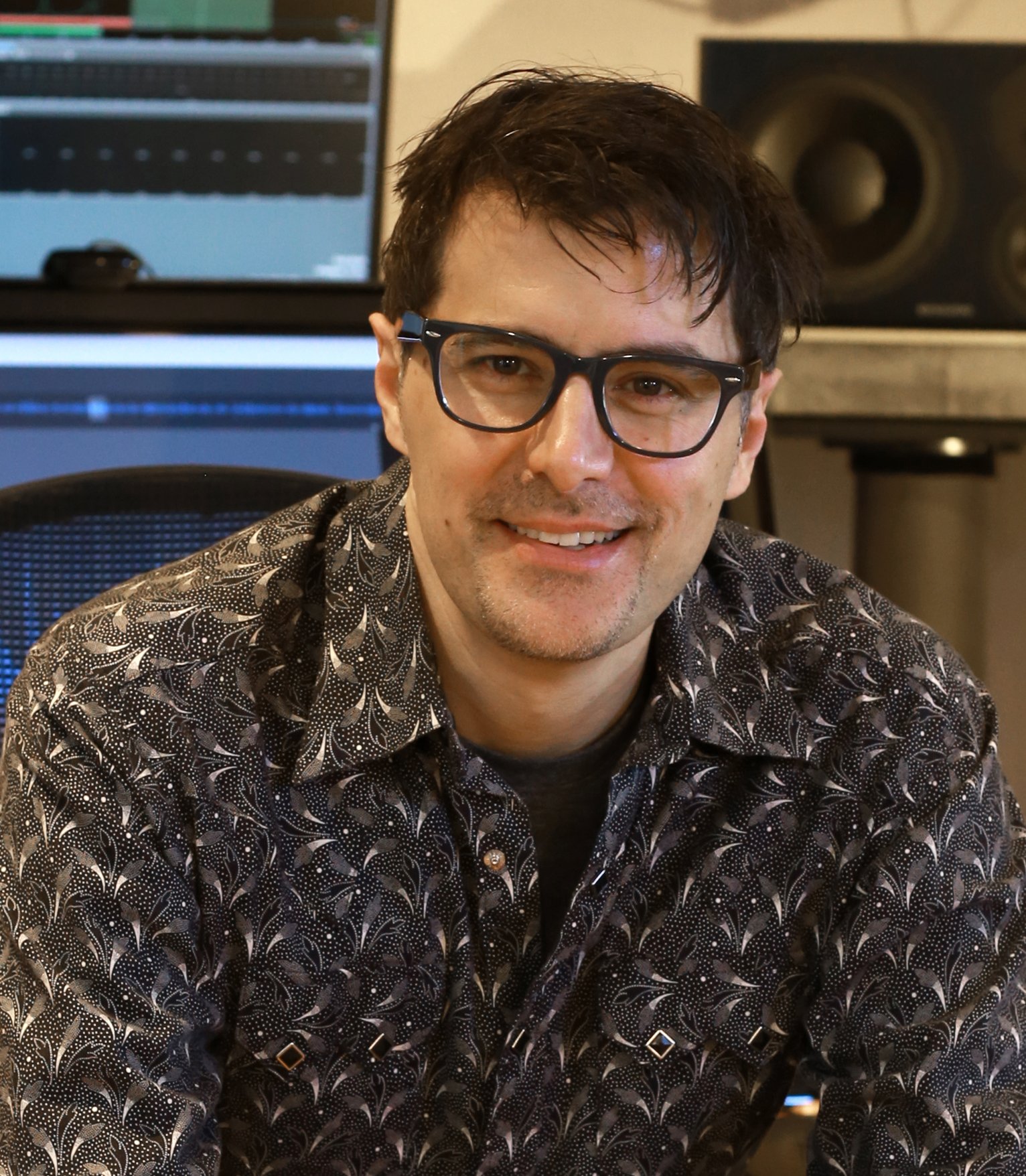
Your Examiner
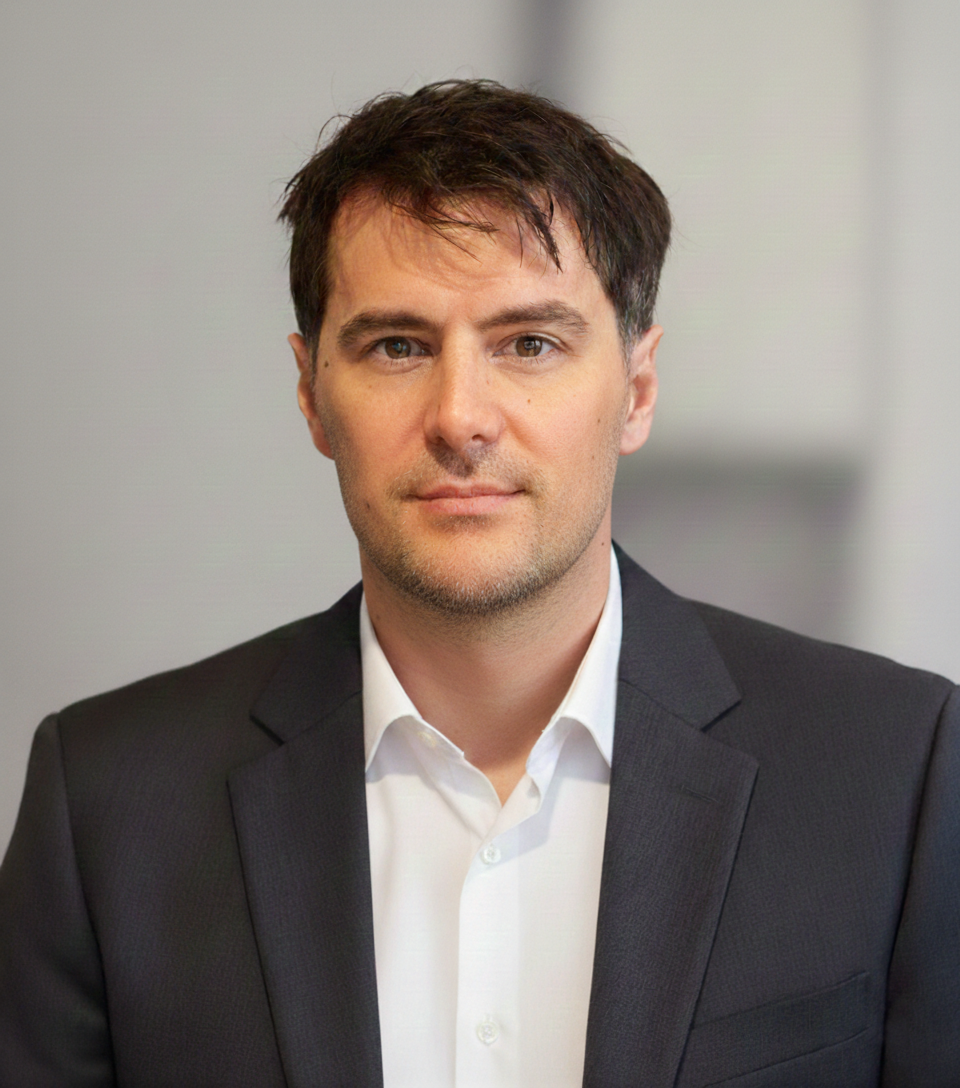
My name is Mark Scetta. I'm an independent forensic audio examiner with 25+ years in professional audio. I handle all communication, analysis, and reporting personally, one point of contact from intake through testimony.
I use a structured, standards-aligned workflow for every examination to support confidentiality, chain of custody, and SWGDE and ABRE guidance from the first conversation to the final report.
Published author, SEAK-trained expert witness, member ASTM, AES, HTCIA. Available for retention by plaintiff or defense counsel.
Start With a Conversation
Describe the recording and what you need. Scope and next steps, discussed directly.
