
What you hear may not be what’s really there.
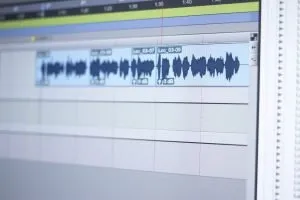
Clear audio can make a real difference when it’s being used as part of a legal case. Whether it’s a phone recording, surveillance tape, or voice memo, the quality of that sound matters. If the speech is hard to hear, missing in parts, or full of distortion, it can raise doubts. That’s why clarifying audio recordings properly is so important. Getting it right can bring meaning and accuracy back to something that was once hard to understand.
But damaged audio isn’t always obvious right away. Maybe the background noise is drowning out the main voice. Maybe parts of the conversation are cut off, volume levels are uneven, or something just doesn’t sound right. No matter the reason, damaged audio can confuse the situation instead of clearing it up. The good news is, with expert guidance, clarification is possible. This process takes time and the right approach, and we’ll walk through that step by step.
Understanding the Types of Audio Damage
Before fixing any issues, it’s good to know what kind of damage you’re dealing with. Audio recordings can get messy in lots of ways, and each one needs a specific kind of attention. Some problems are easy to spot, like loud static or echoes. Others are more hidden, like a subtle hum that lowers the conversation’s clarity or uneven sound levels that make it hard to keep track of who’s speaking.
“Audio has an almost magical ability to convince, and to mislead.”
These are some common ways audio files can be damaged:
- Background noise: HVAC systems, traffic, radios, or just paper rustling can cover up voices that need to be heard.
- Clipping: When sound is too loud, it peaks and cuts off, leaving jagged, distorted parts.
- Echo or reverb: In large or empty spaces, voices may bounce around and pile on top of each other, making them harder to pick apart.
- Dropouts or cuts: Some sections may be missing due to recording errors or damage to the file.
- Uneven volume: One speaker might be too loud, while the other is barely audible, resulting in an unbalanced recording.
These issues don’t just make a file hard to hear. They also create problems when trying to use that audio as part of a legal process. If it’s unclear who said what, or if certain parts can’t be made out, the file might be questioned or even rejected altogether. Understanding the type of problem is the first move toward fixing it properly.
Initial Assessment and Preparation
Once you’ve identified that a file has audio problems, it’s time to put a plan in motion. The first and most important step is to secure the original recording. Never make edits to the original copy. Doing so risks losing date information and sound characteristics that might be needed later on.
Always start by:
- Creating a safe, untouched backup of the original audio file.
- Making a working copy to use during the clarification.
- Taking notes on what seems wrong, whether it’s muffled voices, sudden drops, or buzzing.
After that, come basic checks. Is the file corrupt? Does it play all the way through? Are there signs of tampering you weren’t aware of? If the file is still intact, it’s time to prepare the tools. Most audio professionals use forensic software rather than regular editing programs. These are built to help pick out speech from noise, protect audio integrity, and track every change made for chain of custody.
Whether you’re a legal professional looking for audio that holds up in front of a judge or a private individual trying to seek truth from a conversation, this part of the work sets the foundation for everything that comes next. Getting it wrong early can lead to more damage. Getting it right gives the clarification process a real chance at success.
Take the First Step toward Clarity.
Reach out with your questions or a short recording to receive an initial evaluation.
Detailed Clarification Process
Once the prep work is done, it’s time to get into the clarification itself. This part requires steady attention and the right tools. The goal is to bring clarity to the original recording without changing its meaning or structure. Legal audio needs to stay accurate. It can’t be a smoothed-over version that alters detail just to sound better.
Noise reduction is usually the first job. The idea isn’t just to quiet the background. It’s to reduce interference without damaging any voices that are part of the recording. This can include lowering steady sounds like air conditioners, street noise, or electrical hum. The challenge is pulling those out while keeping the speech crisp.
Next comes equalization. This helps adjust the sound to make it more natural and balanced. Some frequencies might be too strong or too weak, depending on how the recording was made. For example, if a voice sounds muffled, a slight increase in higher frequencies may help bring back clarity. But equalization has to be used with care. Overdoing it can lead to harsh or distorted audio.
Volume leveling comes after. This step adjusts the loud and quiet parts to bring everything to a consistent level. Uneven audio can make it hard to hear one speaker while the other comes through clearly. The goal here is to make the conversation easy to follow, without surprises in volume that distract or confuse the listener. If someone raised their voice in the original recording, that should still be clear. The idea isn’t to change the character of what was said, just to make all parts understandable.
When done properly, these three steps work together to get a clearer version of the audio file. It still sounds like the original, but it finally makes sense to those who need to hear it.
Finalizing and Verifying Clarified Audio
After processing, every file goes through a detailed final review. This starts with careful listening, not just to make sure the audio is clear, but to check that nothing was lost or added in the process. Every edit, adjustment, or cleanup must be documented so the file can stand up to legal scrutiny if needed.
The chain of custody matters here. A verified process for handling the recording helps make sure no one can question how it was edited or interpreted. Files that lack this might get tossed out or challenged in a legal setting. That’s why bringing in someone trained in forensic methods is often the right move. They know how to track each change and explain it if questioned later.
There’s also a need to check the sound file’s metadata. This includes the date it was created, the type of device used, and any software involved. Those details may seem minor but can become part of a legal file’s reliability. Skipping this step can lead to missed issues, like altered files that don’t match their original log.
Sometimes even small noise in the background, like a faint voice or clicking sound, can carry meaning for someone trying to piece together events. So taking time on this final stage isn’t just smart. It can make all the difference between doubt and understanding.
Why Professional Clarification Matters
Audio clarification for legal use isn’t the same as making a video sound better or boosting audio for a podcast. It requires accuracy, careful handling, and a clear audit trail. Legal professionals look for authenticity and consistency, while private individuals may need emotional clarity or a better understanding of past events. In both cases, results should always hold up under close listening and fair interpretation.
A poor edit can make things worse. Too much noise removal can cut words out. Changing audio levels without context can suggest a different tone. These aren’t small mistakes. They can lead to false assumptions or open the door to challenges down the road.
When trained specialists handle the clarification, they stay focused on keeping the file reliable. They don’t jump to conclusions, and they don’t assume what’s being said. Their job is to clarify sound, not story.
Whether it’s a court submission or personal matter, the way audio is cleaned and presented affects how people hear it. And how it’s heard can affect the way it’s understood.
Clear Sound Helps the Truth Stand Out
Clarifying damaged audio for legal use takes more than just hitting a few software buttons. It’s a process that respects both clarity and truth. The right first steps, like saving a clean copy and spotting the kind of damage, set a strong foundation. Careful clarification work then helps turn rough or confusing files into something clearer and easier to follow.
Legal audio isn’t just about what’s said. It’s about documenting when and how it was said, by whom, and under what conditions. That requires close attention to detail, the right tools, and care at each step. A sharp final review can help keep the file reliable and honest under questioning or review.
Whether you’re trying to clarify a threatening voice message or pull meaning from a quiet background conversation, having a trusted process in place makes sure nothing is misunderstood. It’s about doing careful work so that what actually happened is easier for people to hear and understand.
When you’re dealing with complex audio challenges, it’s important not to go it alone. Audio clarification can be intricate and demands expert handling to ensure the audio is accurate and admissible, especially for legal proceedings. If you want to learn more about this process, take a closer look at our comprehensive approach to audio forensics and understand how Stellar Audio Forensics can make your recordings more dependable for legal and personal needs.
