
What you hear may not be what’s really there.
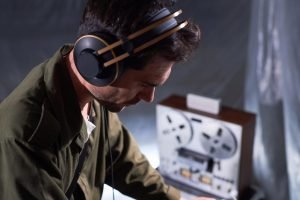
Audio recordings can carry major weight in legal situations. A few captured words or background sounds can speak volumes depending on what was said, how it was said, and when it was recorded. Still, not every audio clip is strong enough to hold up under close legal review. Courts need recordings that are clear, authentic, and presented properly.
Whether you’re an attorney, investigator, or individual working on a case, reliable audio can either support your argument or become a point of weakness if it’s distorted or unclear. Stellar Audio Forensics works to make sure audio recordings are handled correctly so they make the right impact when it counts most.
Types of Audio Evidence Used in Legal Cases
Legal cases often rely on several different types of audio recordings. Each type plays a role depending on the situation, the people involved, and the environment where it was recorded.
“Audio has an almost magical ability to convince, and to mislead.”
Here are the most common forms of audio evidence:
1. Recorded conversations
These interactions can be between parties involved in a legal dispute. Whether recorded on smartphones or digital devices, a clear conversation that lines up with the facts of a case can become a powerful piece of evidence.
2. Phone call recordings
Voice calls may capture threats, admissions, or agreements. Even if one party is unaware the call is being recorded, its legal use depends on local laws. What matters most is evidence of clear speech and natural flow that hasn’t been altered.
3. Surveillance audio
Mics in security systems or other monitoring equipment often record conversations in homes, businesses, or public areas. These clips are especially helpful when other forms of evidence are missing.
4. Body-worn camera audio
Law enforcement body cams don’t just show video-they record sound too. From arrests to traffic stops, the captured audio helps clarify what took place in real time.
5. Public and private event recordings
Sometimes, audio emerges from group settings like protests, board meetings, or private gatherings, whether or not people knew they were being recorded. These moments can reveal important reactions, statements, or interactions that become part of the story.
Let’s say, for instance, someone records a phone call during which threats are made. If the file is free of glitches and faithfully captures the words and tone, it could become a central piece of evidence. On the other hand, if background noise masks key parts or words are cut off, the file may lose credibility.
So, it’s not just about having a recording-it’s about whether that recording is understandable, lawfully collected, and technically sound.
Key Elements That Make Audio Evidence Persuasive
Audio evidence only helps if it meets a few key standards. Weak recordings can be dismissed or challenged, while high-quality, well-managed audio stands a better chance.
1. Clarity and audibility
Can listeners easily understand what’s being said? If voices are buried under noise, mumbled, or unclear, the audio becomes harder to trust.
2. Relevance to the case
The content of the recording should directly tie to the issue at hand. Off-topic chatter might cause confusion unless it clearly supports a claim or timeline.
3. Authenticity
Anything that hints the audio could have been edited or tampered with reduces its power. Original files without signs of cuts or additions are far more persuasive.
4. Chain of custody
Knowing everyone who has accessed or handled the file matters. A solid chain of custody helps show the audio wasn’t altered or corrupted along the way.
5. Expert input
A trained ear can spot inconsistencies or clarify parts of the recording that might seem unclear to the average person. Audio forensic specialists help document details and build confidence in what’s heard.
When these parts come together, your audio evidence is more likely to move a case forward than hold it back.
Take the First Step toward Clarity.
Reach out with your questions or a short recording to receive an initial evaluation.
Techniques for Enhancing and Clarifying Audio Evidence
Even well-timed recordings can suffer from poor sound quality. Busy street traffic, AC hums, or echoing voices can cloud the message. The goal isn’t to “fix” what people said but to surface what is already there, so it can be clearly heard.
Here are a few ways professionals make tough audio recordings usable:
1. Noise reduction
Removes background distractions like wind, crowd noise, or rumbling appliances. By filtering them out, spoken words stand out more sharply.
2. Volume adjustment
Fixes clips where speakers are too quiet or uneven. Balanced sound helps every part of the conversation remain understandable.
3. Echo cancellation
Audio from large, empty rooms or surfaces like tiled floors often includes excessive echo. Canceling these effects can make words more distinct.
4. Frequency analysis
Certain sounds sit in specific ranges. Using these ranges, tech experts can reduce unwanted noise and identify critical speech within a clip.
Take a surveillance recording as an example. A faint sentence during an argument might not be noticeable at first. But with frequency analysis and other tools, that sentence can be clarified clearly and used to document tone, timeline, and other details.
These methods don’t insert or change the recording’s content-they just help lift the crucial parts out of the mess, offering a clearer snapshot of what truly happened.
How to Ensure Your Audio Evidence Is Admissible in Court
If a recording is going to be part of a case, it must go through a proper process from the beginning. Courts expect audio evidence to follow strict protocols. A great-sounding file that wasn’t lawfully collected or documented can still be rejected.
Here’s what makes audio admissible in most legal settings:
1. Proper collection
Recording without consent may be illegal in some areas. Always ensure your recording follows the rules in your state or jurisdiction.
2. Chain of custody
Keep a detailed track of who handled the file, when, and where it was stored. This timeline bolsters trust in the file’s authenticity.
3. Examination by a qualified examiner
An examiner assesses whether the file shows indicators of alteration, and documents any processing applied to it. Where no indicators are found, that is a statement about what was observed, not proof that a file is original.
4. Legal compliance
Files should be saved in accepted formats, with proper documentation showing their origin and process. Always keep an untouched original in secure storage.
When those steps are taken seriously, recorded audio has a stronger chance of being heard and considered in court without added challenges.
Making Your Case Stronger with Stellar Audio Forensics
A recording often holds key moments that could clarify an argument or support someone’s story. But that strength comes from how well it’s captured, analyzed, and presented. A whispered threat, a stressed sentence, or even a small reaction can become a deciding factor.
Recordings can carry real legal weight, and they deserve careful handling. That’s why we work hard to verify, clean, and present audio in a way that maintains trust and stands up to scrutiny. We don’t alter or interpret what’s there-we reveal it in the clearest, most truthful way possible.
Whether you have security footage to enhance or a private conversation to review, we’re here to help you show what really occurred-clearly, accurately, and with full support.
FAQ
What makes audio evidence persuasive in a legal case?
Strong audio evidence is clear, relevant to the case, authentic, and backed by a consistent chain of custody. Persuasiveness often comes from a combination of sound quality and legal handling.
How can background noise be removed from an audio recording?
Background noise can be lowered using noise reduction tools that separate human voices from other sounds. This process requires specific audio software and often a trained ear for best results.
What is the chain of custody for audio evidence?
Chain of custody is a detailed timeline that shows who recorded the audio, how it was stored, and everyone who accessed it. A complete record helps ensure the file wasn’t tampered with.
How can I ensure my audio evidence is authenticated?
Authentication means verifying that the audio hasn’t been changed and comes from a real source. An audio forensic expert checks for file metadata, edits, and assesses whether the file is original.
Why should I trust Stellar Audio Forensics with my audio evidence needs?
I provide clear, honest audio review. From background cleanup to authentication, I work carefully with what the recording contains, respecting your privacy and the legal stakes involved.
To ensure your audio evidence makes a strong impact in legal matters, partner with Stellar Audio Forensics for expert guidance and enhancement. Our skilled team is committed to delivering clear, reliable audio that holds up under scrutiny. Discover how our services can assist in refining your audio evidence. Let us help you present your case with confidence.
