What you hear may not be what’s really there.
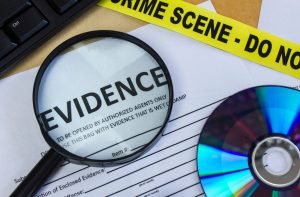
Audio evidence can be important in legal proceedings. It provides a way to hear what happened, capturing voices and sounds that other evidence might not convey. Whether it’s a recorded confession, a threatening voicemail, or a vital phone conversation, audio evidence brings a unique clarity to the courtroom.
For those involved in legal disputes, the stakes can be high. The truth hidden in a muffled recording might hold the key to justice. That’s where the art and science of audio forensics come into play. By transforming audio clips into clear and compelling evidence, audio forensics helps bridge the gap between suspicion and certainty.
Attorneys and individuals alike rely on strong evidence to support their cases. When properly processed, audio recordings can silence doubts and uncover the truth. As legal standards evolve, understanding the value and complexity of audio evidence is more crucial than ever for those seeking justice.
Different Types of Audio Evidence Used in Court
Audio evidence plays a pivotal role in many legal cases by providing an audible account of events. Different types of audio evidence can be used in court, each serving unique purposes and offering various insights.
“Audio has an almost magical ability to convince, and to mislead.”
- Phone Recordings: These are commonly used in legal cases, capturing conversations between parties. They can be crucial in demonstrating intent or verifying spoken agreements.
- Voicemail Messages: Voicemails can serve as direct communication evidence, often highlighting important messages, threats, or confessions left by a party involved.
- Surveillance Recordings: These recordings from security cameras or hidden devices can reveal actions and interactions in real-time, providing visual context alongside audio.
- Body-Worn Cameras: Used by law enforcement, these cameras record interactions during their patrols. They provide an account of events from the officer’s perspective, ensuring accountability and transparency.
- Interview or Interrogation Tapes: These recordings often take place in legal settings where it’s essential to have a clear record of statements made by suspects, witnesses, or parties involved.
Each type of audio has its specific use in supporting or contesting claims in legal situations. Knowing how these recordings can be used helps attorneys and individuals effectively present their cases, ensuring that every sound and word counts in favor of the truth.
How Audio Forensics Enhances Evidence Credibility
Audio forensics plays a crucial role in enhancing the credibility of audio evidence used in court. By applying advanced techniques, forensic experts ensure that recordings meet the legal standards required for admissibility and reliability.
One of the key processes in audio forensics is sound clarification. Experts remove background noise and other obtrusive sounds that might distort the primary conversation. This makes it easier to identify important spoken words and ensures that the recording is clear and understandable.
Sound comparison is another method used to assess who may be speaking in a recording. By comparing voice characteristics against a known sample, an examiner can document whether a questioned voice is consistent or inconsistent with that sample, not a categorical identification, which is referred out. This is particularly useful in cases where the parties involved deny participation or presence.
Authentication is also a vital process, verifying that audio files are free from tampering or alterations. Verifying the integrity of the recording supports its reliability as evidence, helping it represent events as they occurred.
By employing these forensic techniques, audio evidence becomes more robust and trustworthy. This reinforces its value in legal proceedings, offering clear, clear evidence that supports claims or defenses. When audio evidence is handled with such meticulous care, its power in a courtroom setting is clear, paving the way for fair and informed legal outcomes.
Take the First Step toward Clarity.
Reach out with your questions or a short recording to receive an initial evaluation.
Legal Challenges and Admissibility of Audio Recordings
While audio recordings provide vital evidence in legal cases, their admissibility in court comes with challenges. Understanding these hurdles helps in preparing audio evidence that is properly documented.
One of the primary legal challenges is consent. Many jurisdictions require one or all parties involved in a conversation to consent to its recording. Without consent, recordings may be deemed inadmissible, posing a significant hurdle for those relying on this type of evidence. It’s crucial to understand the local laws regarding consent to ensure that recordings meet legal criteria from the outset.
Quality of the recording also affects its admissibility. Poor audio quality can make it hard to discern words clearly, reducing the recording’s usefulness as evidence. Audio forensics can enhance the quality, but the original clarity remains a fundamental factor. Courts often demand clear, precise evidence to avoid misinterpretations.
Chain of custody is another important factor in legal proceedings. This refers to the documentation that records the handling of the evidence from its collection to its presentation in court. Any lapses in this chain can lead to questions about the evidence’s integrity.
Finally, potential privacy violations must be considered. Courts scrutinize recordings to ensure they don’t infringe on privacy rights, especially when made without informed consent. Legal professionals must ensure that recordings are obtained ethically to avoid legal repercussions.
Addressing these challenges involves careful planning and expert execution. Adhering to legal standards and utilizing professional audio forensics services supports how clearly audio evidence can be presented in court.
Real-Life Applications of Audio Evidence in Legal Cases
Audio evidence has shown its worth in a variety of legal scenarios, offering clarity and resolution where ambiguity once reigned. The utility of audio recordings spans numerous case types, bringing forth the truth in a way documents sometimes cannot.
In criminal cases, audio evidence often plays a pivotal role. Recorded confessions, threats, or dialogues between defendants and victims help bolster the facts of the case. For law enforcement, body cam audio becomes a key piece in explaining actions and documenting protocol adherence during incidents.
Family court cases also benefit from audio evidence. This is particularly true in custody disputes where recordings might show a parent’s interaction with a child, highlighting positive or negative behaviors. It can lead to a more informed decision that serves the best interests of the child.
In the corporate world, business disputes might involve audio recordings that capture conversations about contractual agreements or discussions of business plans. These recordings help clarify terms and intentions, often leading to quicker settlements.
Civil rights cases make use of audio evidence to document violations or discriminatory practices. Recordings of incidents can serve as powerful evidence, ensuring that proceedings focus on actual events rather than conflicting testimonies.
Across these diverse areas, audio evidence provides an objective lens with which to view complex situations. Its application helps legal professionals and their clients find clarity, supporting justice and fair outcomes.
Conclusion
Audio evidence stands as a cornerstone in resolving critical legal matters, offering an clear account of events that can decide the outcome of a case. By understanding and navigating the legal challenges associated with audio admissibility, you ensure your recordings meet court standards and maintain their reliability.
Real-life applications of audio evidence highlight its indispensable role across various legal spectrums-whether in criminal, family, business, or civil rights cases. This underscores the need for expertly handled audio forensics, which enhances the clarity and credibility required in court.
When clarity and precision are needed most, consider reaching out to Stellar Audio Forensics. Our audio forensic experts ensure your evidence is not only amplified but verified and ready for legal scrutiny. Trust us to provide the sound integrity needed to support your case effectively.