
What you hear may not be what’s really there.
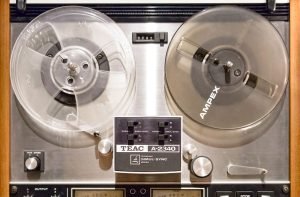
Audio forensics is a fascinating field that plays a crucial role in legal cases. It involves analyzing sound recordings to uncover hidden details and provide clear, reliable evidence. Sound can often hold the key to clarifying events or supporting a defense, making expert analysis invaluable in many situations.
Whether you’re dealing with a crime investigation, a family dispute, or a personal crisis, audio forensics can be your ally. By clarifying muffled or noisy recordings, it turns unclear audio into a trustworthy source of information. This can matter a great deal for those who are anxious and in need of clear answers.
With the help of advanced techniques, such as noise reduction and sound comparison, audio forensics can reveal what really happened in a given scenario. Understanding how this process works and its benefits can empower individuals facing legal challenges and aid attorneys in presenting clearer evidence. Audio forensics provides a path to justice, delivering the clarity needed to ensure fair outcomes.
Introduction to Audio Forensics: What It Is and Why It Matters
Audio forensics is the science of analyzing and interpreting audio recordings for legal and investigative purposes. It involves using advanced technology and techniques to extract valuable information from sound clips, which can be crucial in legal situations. Whether it’s a criminal case, a family dispute, or a personal matter, audio forensics brings clarity to otherwise indecipherable recordings.
“Audio has an almost magical ability to convince, and to mislead.”
What makes audio forensics so important is its ability to uncover the truth. In many legal cases, audio recordings are part of the evidence. However, they might be unclear or contaminated with noise. Expert analysis can transform these recordings into clear, understandable evidence.
For instance, in a criminal investigation, a background conversation recorded during a crucial event can reveal vital information about the crime. An expertly clarified audio can serve as a clearer record of what actually happened. This is particularly significant for those wrongly accused or involved in disputes where the truth is obscured.
Audio forensics matters because it provides a way to establish facts when words are disputed. It can play a key role in understanding what was said and by whom, making it a powerful tool in resolving conflicts. It reinforces the integrity of the evidence, helping attorneys and everyday individuals alike find peace of mind.
Key Techniques in Audio Forensics: From Noise Reduction to Sound Comparison
Audio forensics employs a range of techniques to transform unclear recordings into reliable evidence. These methods ensure that every detail within an audio clip can be analyzed and understood.
- Noise Reduction: This technique filters out unwanted background noise, making primary sounds like a person’s voice more distinct. It involves using sophisticated software to remove sounds such as traffic, wind, or other disruptive noises, bringing out the essential parts of a recording.
- Equalization: Adjusting the balance of different audio frequencies makes it easier to hear specific details. If a voice is too deep or high-pitched, equalization allows forensic experts to adjust these frequencies for better comprehension.
- Spectral Analysis: This method uses a visual representation of audio frequencies to identify and remove anomalies or distractions. Spectral analysis is particularly useful for isolating important sounds from within a noisy environment.
- Voice Enhancement: Techniques that enhance speech components of an audio clip make conversations clearer. This process can turn faint or muffled voices into something that can be clearly heard and understood.
- Sound Comparison: This involves comparing a questioned voice in a recording against a known sample. The examiner analyzes pitch, tone, and speech patterns and reports whether the voices are consistent or inconsistent, not a categorical identification, which is referred out.
By employing these techniques, audio forensics ensures that recordings are as clear and reliable as possible. Attorneys can present this enhanced evidence confidently in court, bolstering their cases. Additionally, individuals relying on these recordings for personal matters can rest assured knowing they have accurate, trustworthy evidence on their side.
Take the First Step toward Clarity.
Reach out with your questions or a short recording to receive an initial evaluation.
Common Applications of Audio Forensics in Legal Situations
Audio forensics finds itself at the heart of many legal situations. From criminal investigations to civil disputes, its applications are wide-ranging and often crucial for justice.
In criminal cases, audio evidence can include phone calls, surveillance tapes, or hidden recordings. Clarifying these recordings can reveal confessions or other vital clues, making it easier for law enforcement to build a strong case. For instance, audio forensics can distinguish voices in a heated argument or provide clarity on what was said during a critical moment.
Civil cases also benefit from audio forensics, especially in disputes or family matters. Issues like custody battles or divorce proceedings might involve recordings that need expert analysis. A clearer understanding of a conversation can provide a clearer record of what was said, support claims, or dispel misconceptions.
Missing person cases are another area where audio forensics is valuable. Analyzing phone messages or intercepted communications can give insights into a person’s last known actions or identify potential leads. The ability to identify background sounds or compare voices could be pivotal in solving such cases.
Additionally, businesses use audio forensics to address internal disputes or cases involving fraud. By examining recorded meetings or phone calls, companies can identify any wrongdoing or misunderstandings. This comprehensive approach makes audio forensics a powerhouse in various legal proceedings, solidifying its role in delivering justice.
How Audio Forensics Supports Justice: Real-Life Benefits
Audio forensics does more than just decode sounds; it serves as an essential tool in achieving justice. The benefits it offers in real-life situations underscore its significance in the legal field.
Clear audio can exonerate the innocent, preventing wrongful convictions. Many people face imprisonment for crimes they did not commit due to unclear or misinterpreted recordings. Audio forensics can change that, revealing the truth and freeing those unjustly accused. This helps ensure that only the guilty face consequences.
In family legal matters, the clarity provided by audio forensics can ease tensions and lead to fair resolutions. For people in complicated disputes, clear evidence opens the door to settlement and understanding, reducing the emotional toll of prolonged legal battles.
Moreover, audio forensics often uncovers hidden leads in unsolved cases, as experienced in some famous investigations where critical information came from sound analysis. By discerning subtle audio clues like background sounds or voice inflections, investigators can direct their efforts more effectively.
Finally, clear audio gives attorneys a more reliable basis for what they present. Jurors are likelier to believe evidence they can see and hear clearly. This supports the justice system by reinforcing evidence-based verdicts and promoting fair trials.
Wrapping Up the Power of Sound
Audio forensics software bridges the gap between sound and justice, turning unclear recordings into vital evidence. Its application in legal situations helps reveal the truth, and support fair, accurate conclusions. From solving crimes to settling personal disputes, audio forensics’ ability to clarify and verify sound recordings makes it indispensable. As we navigate complex legal issues, knowing that such technology is available provides comfort and clarity.
If you’re facing a situation where audio recordings play a part, or you need expert analysis in your legal battle, consider reaching out to professionals who specialize in sound clarity and authentication.
At Stellar Audio Forensics, careful handling of audio is the whole job. Whether you’re an attorney needing reliable evidence or an individual seeking answers in a personal matter, our expertise can help unveil the truth. Contact us today, and let clear sound guide your path to resolution.
