
Making Home Recordings Clearer
What you hear may not be what’s really there.
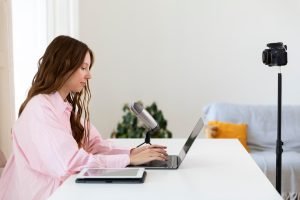
Clear audio can be the difference between being understood and being misunderstood. Whether you’re capturing a heartfelt conversation, a casual moment at home, or an important event, how the audio sounds really does matter. Faint voices, sudden clatter, or loud background humming can make even the most meaningful recordings feel messy or flat. That’s where sound enhancement comes in to help polish those everyday recordings so that what’s most important cuts through without distraction.
With warmer weather settling in over Providence by late June, it’s a popular time for outdoor gatherings, family visits, and home projects. These moments are often captured on phones or handheld devices. While it’s easier than ever to hit record, it’s just as easy to end up with poor sound quality. This article explores some of the common things that can muddy up your recordings and what you can do to make them clearer. From choosing the right location to recognizing the distracting sounds you might not even notice, improving your sound starts with knowing what might be getting in the way.
Challenges of Home Recordings
Whether you’re recording indoors or outside, home recordings often suffer from issues you didn’t prepare for. You might be standing too far away from the microphone, or maybe the heating system cuts in halfway through the conversation. Suddenly, that once-clear voice is buried under humming or echo. These problems aren’t always obvious while you’re recording. Most people only hear them once it’s too late.
“Audio has an almost magical ability to convince, and to mislead.”
Here are a few of the most common problems in home recordings:
- Background noise: Fans, HVAC units, neighbors chatting, or traffic outside can compete with voices or main audio.
- Low volume: Recording from too far away or with a weak microphone can make voices sound faint or uneven.
- Echo and distortion: Hard surfaces or large open spaces can bounce sound, turning clean speech into garbled audio.
- Uncontrolled settings: Kitchen appliances, kids playing, or even barking dogs can sneak into recordings and break the focus.
Take a kitchen for instance. It’s packed with flat surfaces and background hums like refrigerators, tile reflections, and clinking utensils. Add a voice talking at a regular volume and that voice can quickly get lost. That’s why recording is not just about pointing your phone and pressing record. The space around you affects the sound, and knowing what can get in the way is the first step to making things better.
Basic Tips for Better Recordings
Even for something as simple as a quick voice memo or casual chat, there are a few easy things that can go a long way toward better sound. You don’t need to buy expensive equipment, though helpful tools do exist. A bit of planning can make all the difference.
Let’s start with equipment. If your phone or laptop’s built-in mic sounds thin or far away, consider plugging in a small, affordable external mic. Many simply connect through your device’s audio port and offer instant improvement. That said, positioning matters just as much. Keep the microphone within arm’s reach of whoever is speaking, and don’t aim it toward noise sources like open windows, vents, or electronics.
Think about your space too. Rooms with carpet, curtains, or soft furniture do a better job of absorbing sound. They make voices sound fuller and reduce bounce. Furnished bedrooms, home offices, or even large closets can be good spots to record. Always try to close doors and windows to cut down on outside sounds.
Try these low-effort steps before you hit record:
- Pick a quiet time of day with the least foot traffic or outdoor noise.
- Silence loud appliances like fans, HVAC, dishwashers, or TVs.
- Let others in the house know you’re recording so you can avoid unwanted interruptions.
These are basic strategies, not technical solutions. But they make sure your audio has a strong starting point. Taking ten minutes to prep the space can save you hours trying to fix it afterward. While a perfect environment might not always be possible, cutting out the biggest distractions is usually within reach.
Take the First Step toward Clarity.
Reach out with your questions or a short recording to receive an initial evaluation.
Advanced Sound Enhancement Techniques
Even if you plan well and record in a quiet location, unexpected problems can still creep in. Maybe someone whispers during an important part, or maybe the wind caused a loud whoosh in an outdoor clip. These are the kinds of problems where sound enhancement techniques come into play.
One of the most reliable tools is noise reduction. This helps reduce background layers like wind, HVAC systems, or car engines without changing the voices and main parts of your recording. It’s one of the best ways to increase clarity. But it has to be done carefully. Too much noise reduction can make the voices sound strange or unnatural.
Another important step is equalization, or EQ for short. Think of it like adjusting a radio. If someone sounds muffled or too sharp, EQ helps reshape the sound to a more natural tone. It can bring out words that are hiding in the background, even without boosting the overall volume.
Balancing volume is helpful too, especially in conversations where one speaker is louder. Putting all these steps together helps create a much clearer picture of what happened in the recording.
Professional software gives far more control than most free apps. These tools let experienced technicians work with the real signal instead of throwing filters on it. But this kind of work requires skill. If a voice was never captured clearly, for example, turning up the volume won’t magically bring it back. That’s why I work only with what the audio already contains, without changing what’s true in the file.
Whether you’re reviewing a long recording or trying to isolate one key voice, trusted tools in practiced hands can lift up the hard-to-hear parts while keeping everything honest. These techniques fine-tune what’s there without adding what isn’t.
How Stellar Audio Forensics Can Help
There’s a clear difference between using the volume button on your phone and having a professional clarify a tough recording. At Stellar Audio Forensics, enhancement work includes voice isolation, signal cleanup, and forensic detailing. These steps can bring faint speech to the surface, help focus on a certain part of a conversation, or answer questions about what was actually said.
Here are a few examples of how this helps real people:
- Someone records a yelling match in their home but can’t make out specific words over the AC running.
- A voicemail contains a short but unclear phrase that might hold serious weight, but it’s buried under street noise.
- An outdoor argument ends up captured on a phone, with wind and traffic making the speech hard to follow.
In cases like these, every tool and step used in the enhancement is tracked and documented. That helps legal professionals and private individuals alike. It also helps preserve the source file, which is important when a clip is being used as part of an official matter.
Whether you’re handling evidence for a court review or trying to better understand something personal, the goal stays the same. It’s about refining the existing audio and showing what can honestly be heard, not guessing, not altering, just helping the truth come through.
Sound enhancement services also involve checking metadata, documenting every change, and preserving the chain of custody. This matters when a file may end up in a courtroom setting. You don’t just want a better-sounding file. You want to know what was done to improve it, and that the original stayed untouched.
There are limits, of course. If a voice wasn’t captured at all, enhancement can’t bring it back. But many recordings that feel unusable at first still have parts that can be drawn forward with the right tools and attention.
How to Make Everyday Audio More Clear
Good recordings rarely come from luck. Even in quiet homes with decent mics, little noises can sneak in and ruin an otherwise strong moment. Knowing how to prep helps avoid those problems. Knowing when to ask for help makes sure nothing gets lost when it matters most.
Some recordings mean something more. Maybe it’s a phone call you saved for closure. Or a voice message that came at a hard time. Or maybe it’s something that’s part of a bigger concern where precision is key. All of these deserve to be heard clearly.
If you’re in Providence or anywhere nearby and have a recording that sounds off or unclear, you don’t have to give up on it. Talk to someone trained to improve what’s already there. Every recording holds something valuable. The right approach can help bring that out.
Whether you’re looking to protect a cherished memory or need significant audio improvement for an important project, the right approach really makes a difference. Discover how sound clarification can give clarity and focus to your recordings. At Stellar Audio Forensics, we’re here to help you achieve the best possible audio quality for your needs.
