
What you hear may not be what’s really there.
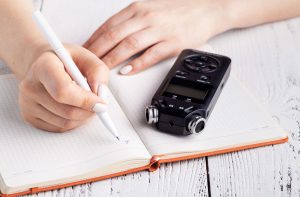
In legal cases, audio recordings can serve as vital evidence, holding the power to significantly sway outcomes. However, uncovering the truth becomes a daunting challenge when these recordings are unclear or distorted. That’s where audio clarification steps in, offering a way to distill essential messages from garbled sounds.
By understanding the importance and process of clarifying audio for legal cases, those involved in legal challenges can feel more confident in presenting their evidence accurately.
Importance of Clear Audio in Legal Evidence
Clear audio is crucial in legal cases because it ensures the truth isn’t lost in translation errors or technical mishaps. When audio evidence is introduced in court, it must provide an accurate and clear account of events. Clear sound can highlight details that might otherwise be disputed, whether it’s a phone call recording, a confession, or a witness statement.
Legal teams rely on clear audio to accurately convey the content and context of conversations. Words matter in court, and even small misinterpretations can have big consequences. For instance, understanding a disputed conversation’s tone and exact wording can mean the difference between guilt and innocence.
Moreover, juries and judges may find it challenging to follow evidence if they struggle to decipher what is being said. Clear audio ensures they remain engaged and informed, leading to more fair and effective deliberations. It offers transparency, giving everyone confidence in the process by supporting claims and clarifying discrepancies.
“Audio has an almost magical ability to convince, and to mislead.”
Here’s why clear audio is crucial:
- Accuracy: It provides an accurate representation of what was said.
- Comprehension: It helps legal teams, judges, and juries understand the evidence.
- Credibility: Clear recordings add weight to legal arguments.
- Efficiency: It speeds up legal processes by minimizing disputes over unclear evidence.
Ensuring that audio is clear and understandable ensures the integrity of legal proceedings and outcomes.
Common Causes of Audio Distortion in Recordings
Audio distortion is a frequent issue that can significantly impact the usefulness of recordings for legal evidence. Various factors contribute to this problem, making even critical communications unintelligible. Understanding these causes is the first step toward addressing them.
1. Background Noise
This is one of the most common sources of distortion. Sounds like traffic, conversations, or machinery can mask essential parts of a recording.
2. Poor Equipment Quality
Low-quality microphones and recording devices often fail to capture sound accurately, leading to muffled or unclear audio.
3. Echo and Reverb
Recordings made in an echo-prone area, like a large room or enclosed space, can mix voices in ways that make speech difficult to discern.
4. Signal Interference
Electronic interference, such as static from cell phones or other devices, can cause disruptions that fragment audio clarity.
5. Improper Recording Techniques
Holding a microphone too close or far away can either distort or lose parts of the speech, altering the recording’s integrity.
6. File Compression
Highly compressed audio files may lose sound details, making them inadmissible or hard to interpret legally.
Recognizing these causes is essential for preventing and fixing distorted audio. With this knowledge, individuals and legal professionals can make informed decisions about correctly capturing and preserving audio evidence. A proactive approach to managing these factors can save time and effort during legal proceedings where clarity is key.
Take the First Step toward Clarity.
Reach out with your questions or a short recording to receive an initial evaluation.
Techniques for Clarifying Distorted Audio
Specific techniques in audio clarification and audio forensics transform distorted audio into clear and understandable evidence. These methods prioritize extracting speech and relevant sounds from chaotic recordings, making them suitable for legal use.
1. Noise Reduction
Software tools can help experts filter out background hiss and hum. This technique minimizes unwanted sounds while preserving the recording’s verbal content.
2. Equalization
Adjusting audio frequencies helps enhance specific parts of the recording, like voices, that low-or high-frequency noises may have overshadowed.
3. Echo and Reverb Removal
Removing these effects can clarify conversations captured in echo-prone environments, ensuring speech comes through unimpeded.
4. Audio Enhancement
Techniques like amplification adjust volume levels to make quiet sections audible without introducing distortion.
5. Spectral Editing
This involves visually analyzing the sound spectrum to identify and isolate unwanted frequencies, allowing for precise edits that improve clarity.
6. Dynamic Range Compression
Handling variations between loud and quiet audio parts ensures consistent audibility, crucial for understanding conversations clearly.
These techniques, grounded in advanced digital signal processing, are key to rescuing deteriorated audio. By employing these strategies, professionally clarified audio becomes a useful tool in supporting legal arguments through clear evidence.
Applications of Clarified Audio in Legal Cases
Clarified audio, made possible through expert clarification techniques, plays an essential role in various legal scenarios. It ensures that the sound evidence presented is reliable and understandable, impacting several cases where details are paramount.
Criminal Investigations
Clear audio can assist law enforcement in decoding vital evidence from surveillance tapes, wiretaps, or recorded confessions. This precision helps identify what was said and by whom, useful for clarifying timelines and verifying statements.
Dispute Resolutions
In civil disputes involving business agreements or contractual misunderstandings, clarified audio provides straightforward evidence of what was agreed upon, helping to resolve arguments swiftly.
Family Law Cases
In situations like custody battles or divorce disputes, clarified recordings of conversations can illustrate behavior patterns, helping courts make informed decisions that protect children’s interests.
Wrongful Accusations
Individuals often defend against charges based on distorted audio evidence. Clear recordings allow for the rightful examination of the context and accuracy, which can be pivotal in supporting a defense.
Employee Misconduct
In corporate settings, clear audio evidence can assist in resolving disputes related to workplace behavior, ensuring fair and just outcomes based on facts rather than assumptions.
By applying clarified audio across these varied legal contexts, attorneys and individuals can anchor their arguments on concrete evidence. This transparency leads to decisions grounded in veracity and comprehensive understanding.
Conclusion
Clarifying distorted audio is important for presenting audio accurately in legal cases. From preventing misunderstandings to solidifying courtroom evidence, audio clarification is a linchpin for fairness and truth. It offers a lifeline to those navigating legal waters, assuring them that conversations and statements won’t lose their integrity as evidence.
At Stellar Audio Forensics, our audio forensic experts work meticulously to clarify your critical audio recordings. If you’re facing a legal challenge requiring pristine audio clarity, trust our expertise to reveal every necessary detail. Let us help you confidently present your case and ensure every word counts.
