Anyone can claim a recording was faked. Answering that claim takes more than a witness swearing "that's my voice." It takes something technical the court can rule on.
Playing a recording tells you what was said, but it will not tell you whether the file is what someone claims it is. That second question is the one authentication answers, and it answers with an informed opinion resting on documented analysis rather than a ruling. Rulings belong to the court.
When Authentication Matters
The other side says your recording was edited. You need documented analysis to answer that, because testimony that it sounds real is not analysis.
You need to challenge theirs. Something about a recording feels wrong to you. Editing that survives casual listening often leaves a technical trace, and that is what I go looking for.
Someone raises AI. The question "could this have been generated?" now comes up in ordinary cases. It has to be answered on technical ground, because it cannot be waved away.
Chain of custody is in doubt. By the time a file reaches you it may have passed through several hands and as many devices, and every one of those steps is a place where the story can come apart. The technical characteristics either line up with the history you were given or they do not.
The recording decides the case. Some matters turn on a single file. When that is true, it is worth settling the authenticity question before trial rather than waiting for the other side to raise it.
Independent Analysis
Work Directly with Mark
Every case handled personally, no associates, no handoffs.
Verbal First
Findings communicated verbally. Written reports are authorized and billed separately, so none is prepared until you order one.
For Either Side
Available to plaintiff or defense counsel for all evidence inquiries including rebuttals.
Pro Bono Consult
Initial call to discuss the recording and your questions.
Honest Read
If the recording can't carry your case, you'll know before you spend.
Litigation-Aware
Understands procedural context and evidentiary standards.
Plain Language
Findings you can put in front of a judge/jury without a translator.
What Authentication Looks At
A file can be examined from several directions, and they catch different things. Which ones apply depends on the recording in front of me and on the question you need answered. I scope that with you before any work starts.
Metadata
Every file keeps a record of how it was made. I check that record the way you would check a letterhead and a postmark before you read the letter.
Does the creation date match when the recording supposedly happened? Does the encoder signature match the device it supposedly came from? Has editing software left its name behind?
File Structure
Re-encoding a file changes its internal structure, and so does conversion, and so does running it through an editor. Either that structure reads as one continuous recording or it does not.
Acoustic Analysis
An authentic recording holds steady. The background noise stays where it was, the room goes on sounding like the same room, and the frequency content behaves the way it should. Spectral and waveform examination looks for the places where that steadiness breaks.
Edit Detection
A splice is like a seam in wallpaper. From across the room you see nothing, but in the right light it is obvious. Spectral analysis is the right light.
Insertions, deletions and overdubs each leave their own kind of seam.
Environmental Consistency
Every room has a sound the way it has a smell, and a single recording session should carry one. When the noise floor shifts halfway through a file, part of that recording happened somewhere else, or at some other time.
Electrical Network Frequency
Mains power hums at a frequency that never sits perfectly still. It drifts, and the drift is different every hour of every day. A recording made near a wall socket captures that drift without anyone meaning to.
It is a clock nobody knew was running. If the pattern can be compared against the grid's own record, it can sometimes show when a recording was made and where it was cut. Not every recording carries a usable signature, and I will tell you early whether yours does.
Tell Me About the Recording.
Send a few details. No obligation, just a straight read.
What You Receive
You hear the findings before anything is written down. That means you can decide what to do next without a discoverable report sitting on the record.
You get a written report if you authorize one. It sets out the methods I used, every examination and what it found, the indicators pointing either way, anything that could not be determined, and the limits on each conclusion. It is written so another examiner can repeat the work, with Daubert and Frye in mind.
I testify if the findings are contested. That covers deposition and trial, and I explain the technical side in language a judge and jury can follow.
I can review the other side's expert report. I look for gaps in method, for conclusions that outrun the evidence, and for analysis that does not hold up.
The findings read the same way whoever retained me. The analysis documents what the recording shows, and it supports whatever that turns out to be.
Your Examiner
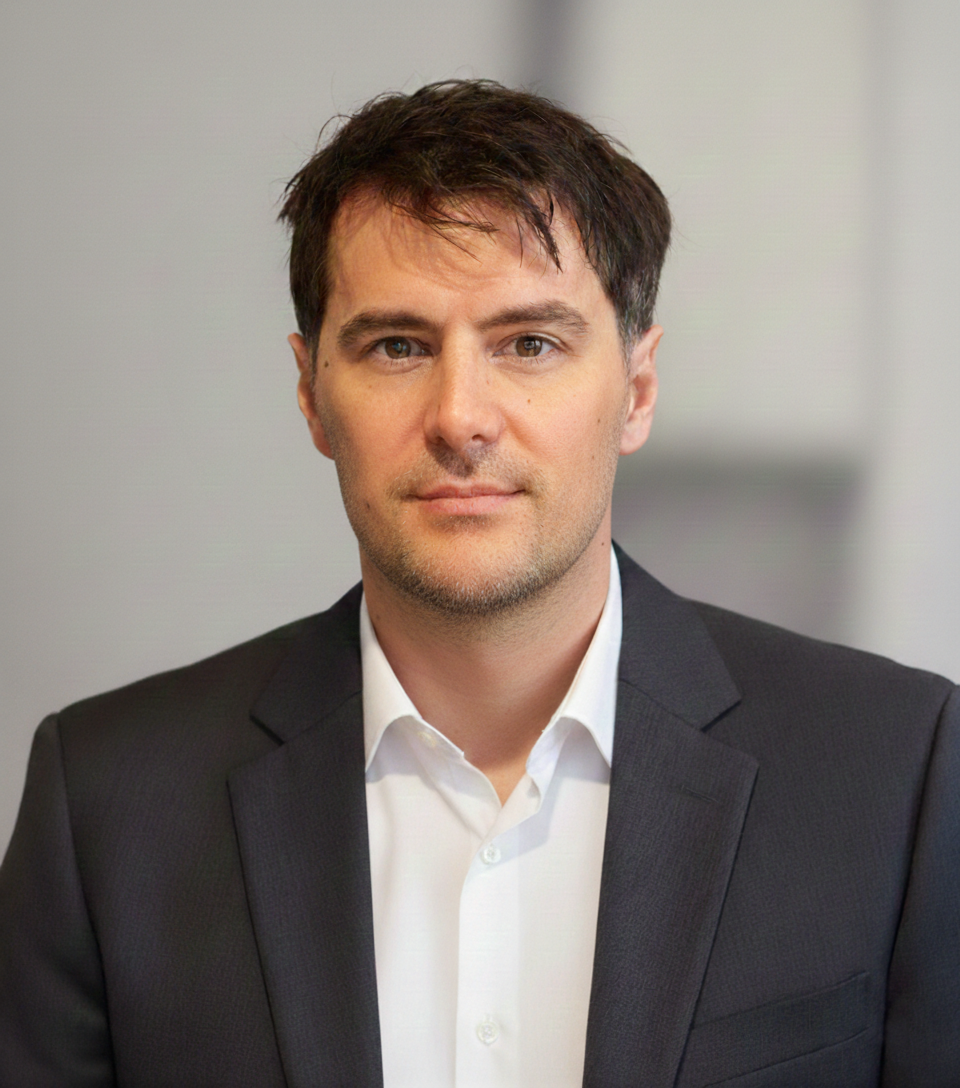
My name is Mark Scetta. I'm an independent forensic audio examiner with 25+ years in professional audio. I handle all communication, analysis, and reporting personally, one point of contact from intake through testimony.
I use a structured, standards-aligned workflow for every examination to support confidentiality, chain of custody, and SWGDE and ABRE guidance from the first conversation to the final report.
Published author, SEAK-trained expert witness, member ASTM, AES, HTCIA. Available for retention by plaintiff or defense counsel.
Your Examiner
Mark Scetta is an independent forensic audio examiner and a SEAK-trained expert witness. He is a member of the AES (Audio Engineering Society) and the HTCIA (High Technology Crime Investigation Association). His methods follow the published best-practice documents of SWGDE (Scientific Working Group on Digital Evidence) and ABRE (American Board of Recorded Evidence). Both publish standards; neither issues credentials, and he claims none from either. Discuss a case with Mark.
Available to plaintiff or defense counsel.
How to Get Started
1. Tell me the situation. I need to know which recording is at issue, what you need to find out, and when you need it.
2. Send the file securely. Originals in their native format analyze best, and I will tell you how to send one.
3. Get an honest read. Not every recording gives a clear answer, and you will know what the analysis can and cannot settle before you commit to anything.
4. I examine the file and write up what I find. The methods follow SWGDE and ABRE guidance, and the findings are documented for court.
What Limits the Result
Forensic work can only use what the microphone actually captured, and it cannot put back speech that was never recorded in the first place.
How much is possible comes down to what the original capture actually preserved. A decent microphone close to the speaker in a quiet room leaves a great deal to work with. A phone in a coat pocket across a noisy restaurant leaves less, though clarification can still bring real improvement wherever the speech reached the microphone at all. What no amount of work can do is recreate words the microphone never captured.
Some recordings respond well to this work. Others are too far gone, and I will tell you so. Clarification works with sound that is already there, and it cannot invent sound that is not.
No forensic process can guarantee specific results. Outcomes depend entirely on the characteristics of the original recording.
FAQ
How long does authentication take?
A short recording in its original format moves fastest. What slows it down: a long file, a converted or re-encoded copy, several recordings instead of one, or a question that needs more than one method to answer. I listen to the file before I quote the work, so the timeframe you get is based on your recording and not on an average. Recordings can also surprise you once the work is underway, and I would rather revise a timeframe than miss one. Priority Scheduling can move a project up the queue, subject to availability and case complexity. It does not change the methodology or the level of analysis, and it does not guarantee a completion date.
Can authentication determine whether a recording is genuine?
Think of it as an X-ray. A clean one rules things out, but it does not prove the patient is healthy.
I examine observable technical indicators and report what is there and what is not. When several methods find nothing, that is exactly what I report: no indicators of alteration within the scope examined. It is not a declaration that the recording is unaltered. No method catches every form of editing, and I will not say otherwise on the stand.
Does it work on all file formats?
It works on most digital audio and video formats. Originals in their native format analyze best. A file that has been compressed, converted or re-encoded gives me less to work with, and that fact is itself worth documenting.
Can forensic analysis detect AI-generated audio?
Sometimes it can. Generated audio often carries traces that a real recording would not, such as artifacts in the spectrum, background noise that does not behave, or metadata that does not add up. Whether those traces survive depends on how the audio was made and how good the sample is. This is a moving target, and I will tell you plainly when a recording is past what the methods can settle.
Related: What to Do When Opposing Counsel Challenges Your Audio Evidence
Start With a Conversation
Call Mark to describe the recording and what you need. Scope and next steps, discussed directly.