
When the Recording Carries the Case
"A 911 call. A dashcam. A bystander's phone."
In an injury case, the recording is often where it all turns, the 911 call, the dashcam, a bystander's phone. But what you hear isn't always what happened, and how a recording was captured, compressed, and passed around can change what it's worth to you. Before you build liability around it, or let the other side build theirs, I'll give you a straight read on what it shows, what it doesn't, and where it can be pushed.
"Can You Actually Hear What Matters?"
Incident audio is rarely clean: a 911 call on a narrowband line, a dashcam mic fighting road noise, a phone recording from a pocket. I'll tell you whether the moment you care about can be clarified enough to rely on, or whether the recording just can't carry it. A preliminary review covers that before you commit.
"Is this Recording What It Claims to Be?"
A recording produced in discovery has usually passed through phones, apps, and exports before it reaches you. Authentication examines its encoding history, metadata, and acoustic consistency for indicators of editing or re-encoding, so you'll know whether you're looking at an original or something that's been through the wash.
"Will it hold if they push?"
If the other side is leaning on a recording, or an expert's read of one, I'll examine the methodology and the technical basis behind the claim. Where it's solid, you'll know. Where it's thin, you'll have the questions to put to it.
Independent Analysis
Work Directly with Mark
Every case handled personally, no associates, no handoffs.
Verbal First
Findings communicated verbally. Written reports are authorized and billed separately, so none is prepared until you order one.
For Either Side
Available to plaintiff or defense counsel for all evidence inquiries including rebuttals.
Pro Bono Consult
Initial call to discuss the recording and your questions.
Honest Read
If the recording can't carry your case, you'll know before you spend.
Litigation-Aware
Understands procedural context and evidentiary standards.
Plain Language
Findings you can put in front of a judge/jury without a translator.
How engagement works
1
Call Mark
Describe the recording and what the case needs.
2
Preliminary assessment
Feasibility, then a clear proposal.
3
The Work
Scoped to what's worth doing, reported the way you need it.
Straight Answers
The 911 call is hard to make out at the key moment. Can it be clarified?
It depends on what the line actually captured. 911 audio is narrowband and compressed, so there's a real ceiling, but clarification can often pull a critical word or sound up out of the noise. A preliminary review tells you whether this recording is one of those, before any commitment.
We have dashcam or bodycam audio. What can examination establish?
Beyond clarifying what's said, examination can document the sequence and timing of events on the recording, and whether the audio is continuous and unaltered which matters when the timeline of an incident is in dispute.
When should I bring in an audio examiner?
As early as the recording is in play. An early read tells you whether the audio helps or hurts before you build strategy around it, and leaves room to act on what it shows.
What does a written report include?
Comprehensive reports document features of the recordings examined, methods applied, findings, and limitations. Structured for independent technical review and formatted to support motions, depositions, or trial testimony. Prepared only when retaining counsel authorizes it.
For more, see the full FAQ.
Tell Me About the Recording.
Send a few details. No obligation, just a straight read.
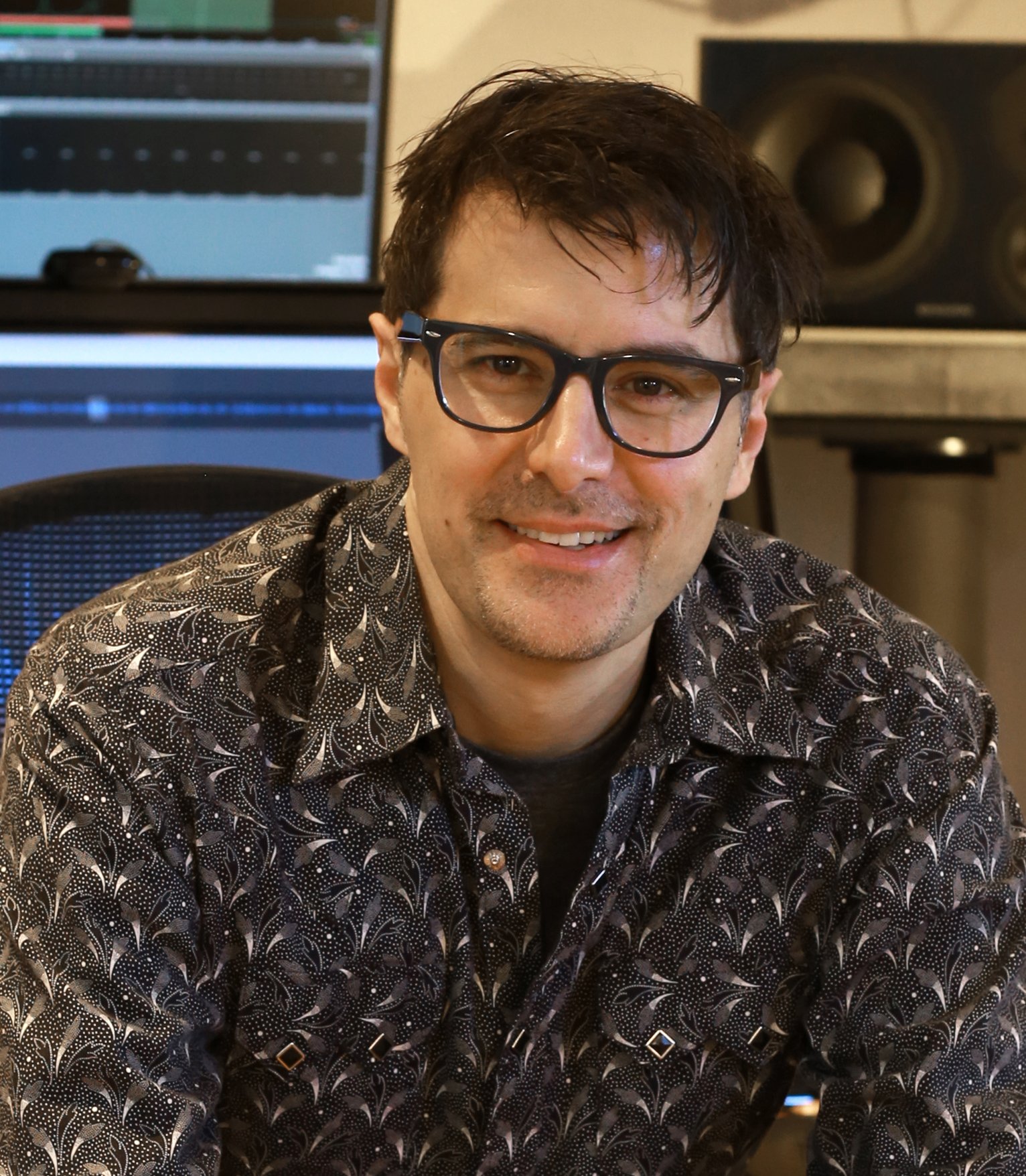
Your Examiner
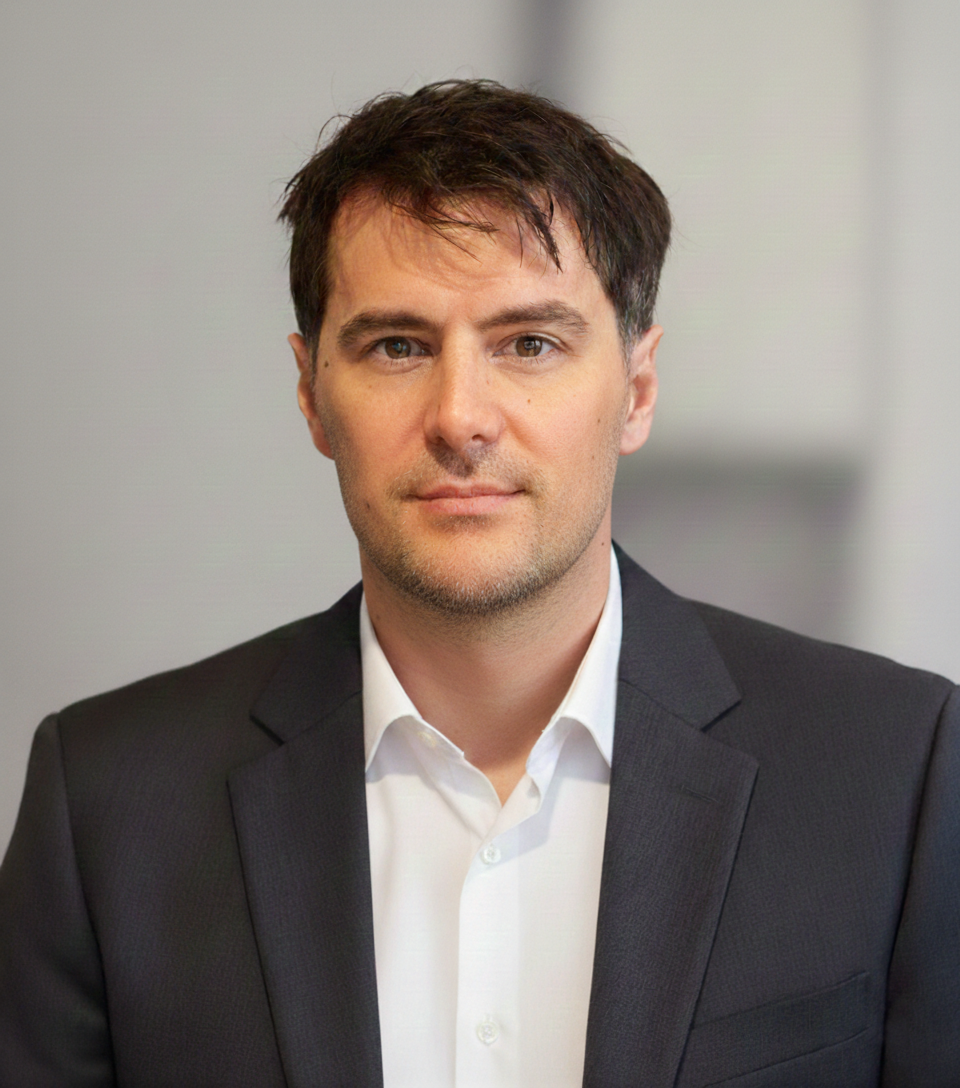
My name is Mark Scetta. I'm an independent forensic audio examiner with 25+ years in professional audio. I handle all communication, analysis, and reporting personally, one point of contact from intake through testimony.
I use a structured, standards-aligned workflow for every examination to support confidentiality, chain of custody, and SWGDE and ABRE guidance from the first conversation to the final report.
Published author, SEAK-trained expert witness, member ASTM, AES, HTCIA. Available for retention by plaintiff or defense counsel.
Start With a Conversation
Describe the recording and what you need. Scope and next steps, discussed directly.
