
“What you hear may not be what’s really there.”
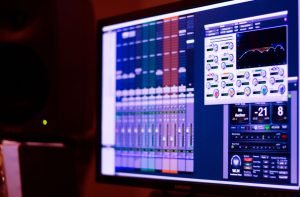
The truthfulness of an audio file can significantly influence what someone is trying to support. That might sound dramatic, but real-life situations often come down to whether a recording is real, altered, or misrepresented. This matters in legal cases and personal situations. If something important depends on a voice, a comment, or a background sound in a recording, the first step is making sure that audio hasn’t been changed or tampered with.
People turn to forensic audio authentication when there’s doubt about where the recording came from, how it was handled, or what it claims to represent. For legal professionals, a verified file helps build or challenge cases. For individuals, it’s about getting clarity and peace of mind. Either way, a trusted process can offer solid answers.
Understanding Forensic Audio Authentication
Forensic audio authentication is the process of checking whether an audio file is real, original, and untouched. This might mean verifying if a file was made at the time someone said, or if the conversation was later edited to change what was said. It’s not about pointing fingers. It’s about checking the facts.
“Audio has an almost magical ability to convince, and to mislead.”
This process is often used in court cases where audio is part of the evidence. Sometimes it’s a recorded voicemail. Other times, it might be a heated conversation caught on a home device or a meeting recorded without someone knowing. Outside the courtroom, people also turn to this for personal reasons. They might want to challenge something they’re being accused of or just understand what really happened during an argument or confrontation.
Reasons someone might question an audio file include:
- The file cuts off in odd places or sounds jumpy
- Background noise seems repeated or inconsistent
- Volume and tone of speech fluctuate oddly
- File data doesn’t match the story tied to the recording
It’s less about who said what and more about whether that recording shows what actually happened. That answer lies in the process.
Steps to Verify Audio File Authenticity
Verifying an audio file isn’t a single step. It involves layers of review. Some people think it’s enough to just listen for skips or strange sounds, but there’s more to it. Software, metadata, and data patterns all help uncover the bigger story.
Step 1: Initial Assessment and Purpose
Every file review starts with figuring out the goal. Is the purpose to support the audio is real? Or show that it was tampered with? That direction shapes everything that follows. In this phase, the file is checked for its source, how it was shared, and if there’s any trace of it being altered. This baseline helps decide if the file has a known history or if red flags appear early.
Step 2: Collecting and Reviewing Metadata
Metadata is the digital trail tied to an audio file. It includes when the file was created, which device recorded it, and what software touched it last. Sometimes it’s wiped away when people message or upload a file, but when it’s still intact, it gives powerful clues.
Reviewing metadata can help show:
- When the file was made
- If the audio has changed formats or names
- Whether timestamps match the version of events shared
When metadata lines up with the story, it support how believable the file is. When it doesn’t, that gap is worth looking into.
Step 3: Conducting Auditory Analysis
This is a detailed listen by someone experienced with sound. The person looks for things that seem off. That could include stuttered audio, repeating background loops, strange transitions in pitch, or speech that seems too polished. None of these always mean tampering on their own, but together they can point to edits.
During this step, visual waveform tools also help. These create pictures of the sound’s flow. If the shapes and spikes don’t match how natural speech works, that’s a red flag. When listening and visuals say the same thing, it’s easier to tell what might be wrong.
Step 4: Technical Analysis and Software Tools
Now it’s time to zoom in on the details that ears alone can’t catch. Specialized programs can isolate frequency shifts, notice waveform drops, and identify compression traits from edits. These tools break down the sound into layers and help reveal if anything was muted, moved, or added in.
Some of the things these tools look for include:
- Compression signs that show the file was saved multiple times
- Breaks in striped background noise, which can point to cuts
- Sudden changes in room tone that reveal dropped or inserted parts
Understanding what the tools find requires training. A natural stutter from someone talking shouldn’t be mistaken for tampering. This phase helps either back up the earlier findings or challenge them with data.
Step 5: Chain of Custody and Documentation
Chain of custody is one of the most important parts. It means tracking where the audio file came from, who had it, and how it was stored. Imagine passing a book hand to hand. If one person forgets to write down that they held it, people can question whether pages were swapped.
Good documentation shows each step of the process and protects the file from future disputes. That includes notes on:
- When and how the file arrived
- How it’s been stored
- Which tools were used
- Who handled the file at each review point
- Final takeaways from the analysis
While it’s especially valuable in courts, private cases also benefit from this. Written steps help prevent confusion and support accountability.
Common Challenges and Misconceptions
Sometimes the hard part isn’t the file itself, but what people assume about it. Not every strange sound points to fraud. Recording devices glitch when signals are weak. Voices can cut out or overlap naturally. Noise fades can happen in real time too.
One of the trickiest parts is evaluating low-quality audio. If the file is fuzzy or overly compressed, it holds fewer clues. That doesn’t always stop the process, but it may limit how solid the results are. It’s still worth doing, though, especially when something feels off to the person involved.
Some misunderstandings that come up often:
- You can always tell if something’s been edited just by listening
- If the audio sounds better after cleaning, it must be real
- A clear recording means it hasn’t been changed
In truth, you’ll get the best results by combining steps. Metadata, listening, tool analysis, and careful logging all matter. Skipping one or two can easily lead to guesses instead of facts.
Take the First Step toward Clarity.
Reach out with your questions or a short recording to receive an initial evaluation.
How Stellar Audio Forensics Can Help
Whether you’re dealing with a court situation or something more personal, reviewing audio evidence is a careful process. That might mean checking if a clip was altered or figuring out why it doesn’t sound right. Every case is different, which is why it helps to have trained reviewers by your side.
Professionals look at all layers of a recording. They don’t just rely on first impressions. Instead, they gather patterns, signals, and acoustic signatures that either support or question the file’s accuracy. After review, they explain what they found in simple terms, so you’re not left guessing.
Stellar Audio Forensics uses a structured process with proper tools and clear communication every step of the way. You won’t get rushed results, and no part of your file is changed during analysis. We take what you share seriously and stick to facts, not assumptions.
Need Help Authenticating an Audio File?
If you’re not sure whether an audio file is real, trimmed, altered, or mixed up, expert support can make all the difference. Stellar Audio Forensics offers clear analysis and reliable review based on years of experience with all kinds of recordings. Each situation is treated with care, whether it’s legal, private, or a little of both.
Reach out when you’re ready. Whether you need a full review or just a second opinion, help is available when you need audio to speak clearly.
Understanding Scientific Limits of Audio Forensics
While forensic audio techniques can improve intelligibility when recording conditions allow, they cannot recreate speech or sounds that were never captured in the original recording. All audio forensic methods operate within scientific boundaries determined by acoustic principles and recording technology limitations.
The effectiveness of forensic audio analysis depends on multiple factors:
- Source recording quality and technical specifications
- Microphone characteristics and positioning during capture
- Recording distance and environmental acoustic conditions
- Background noise levels and frequency overlap with speech signals
- File format, compression, and any processing applied before forensic examination
Some recordings contain sufficient signal quality to respond well to forensic techniques. Others may be too compromised by excessive distance, severe interference, or poor recording conditions to yield significant improvement. Forensic clarification works with existing acoustic content; it cannot generate information that was never recorded or has been permanently lost due to equipment limitations or environmental factors.
The goal of forensic audio analysis is to provide objective technical assessment of what exists in a recording, within the boundaries of what the source material can support. This means understanding not only what forensic methods may reveal, but also acknowledging when technical limits prevent meaningful improvement. No forensic process can guarantee specific results, as outcomes depend entirely on the characteristics of the original recording.
FAQ
What is forensic audio authentication?
It’s the process of checking whether a recording is real and untouched. This includes looking at dates, sound patterns, and file details to see if anything has been changed.
How long does it take to authenticate an audio file?
Timing depends on the file’s condition and how complex the review needs to be. A simple file might take a few hours. More in-depth cases can take longer.
What are some signs that an audio file might be manipulated?
Common signs include skipped words, unnatural tone shifts, odd background loops, or metadata that doesn’t match the story.
Can any audio file be authenticated?
Not always. Some low-quality or heavily altered files might not give clear answers. But even those can sometimes show hints of how they’ve been handled.
Is the authenticated audio file admissible in court?
That depends on how the court views the evidence and the methods used. A properly reviewed file with clear documentation has a better chance of being accepted.
Counting on precision in audio assessments is sometimes necessary, whether for court or personal clarity. Stellar Audio Forensics guides you through each step of the forensic audio authentication process. By carefully dissecting sound patterns and maintaining rigorous documentation, I give you a clear account of what the file shows. Explore how our procedures can support your needs today.
