
What you hear may not be what’s really there.
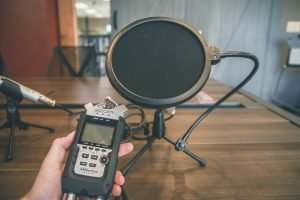
Picture a courtroom where every word matters. In legal settings, audio recordings often carry significant weight since they can serve as key evidence. However, background noise in these recordings can blur important details, making it difficult to clearly hear what’s being said. This noise can come from various sources, and when it drowns out crucial conversations, it might affect the outcome of a legal case.
Background noise is a common challenge in audio forensics. It can range from familiar sounds like traffic and chatter to more unexpected disruptions like construction or electronic interference. These sounds can inadvertently become part of the recording, complicating the task of extracting clear evidence. Understanding the factors that contribute to background noise is the first step in tackling the issue.
Understanding Background Noise
Background noise can creep into recordings in several ways. Most often, it comes from the environment. Here are some typical sources:
- Ambient Sounds: Everyday noises like air conditioning, computer fans, or distant traffic can infiltrate recordings, especially in urban settings.
- Human Conversations: In public areas, other people’s conversations might be picked up by the recording device, adding layers of chatter that obscure the main dialogue.
- Mechanical Noises: Engines from vehicles or nearby machinery can cause significant interruptions, particularly if recordings are made outdoors or near open windows.
- Electronic Interference: Devices such as cell phones or other electronics might emit signals or sounds that interfere with recordings, resulting in distortions or unexpected beeps and buzzes.
The presence of background noise can severely affect the quality of audio evidence. It can make words sound muffled, phrases disjointed, or even distort the speech altogether. Such noise not only complicates the transcription process but can also lead to misunderstandings in the interpretation of evidence. Therefore, addressing background noise is crucial to ensure that recorded voices and sounds are captured as clearly as possible, ultimately aiding in the pursuit of justice.
“Audio has an almost magical ability to convince, and to mislead.”
Techniques for the Enhancement of Sound
Removing background noise from legal recordings requires specific techniques and tools. Several methods can help enhance sound quality, making voices clearer and easier to understand. Software with noise reduction capabilities plays a key role in this process. These tools can distinguish between the primary audio signal and unwanted noise, enabling specialists to filter out disturbances.
Here’s a simple breakdown of the steps involved:
- Noise Profiling: This initial step involves analyzing a portion of the audio with the noise but without speech. This helps create a noise profile, which will be used to reduce unwanted sounds throughout the recording.
- Applying Filters: Various types of filters, such as low-pass and high-pass filters, help in eliminating frequencies where noise typically resides. This step is crucial for removing hums and hisses that often accompany recordings.
- Speech Enhancement: After noise reduction, enhancing the clarity of spoken words is next. Specialized algorithms amplify soft-spoken words and adjust the dynamics of speech to ensure every word is audible.
- Software Tools: Using tools like Audacity or specialized forensic software like iZotope RX can be beneficial. These programs offer intricate controls for precise noise reduction efforts.
With these techniques, audio specialists can ensure that recordings not only convey clear speech but also maintain their original context, supporting invaluable in legal settings.
Take the First Step toward Clarity.
Reach out with your questions or a short recording to receive an initial evaluation.
Case Study: Successful Noise Reduction
To illustrate the impact of effective sound enhancement, consider a hypothetical example. Imagine a legal team working on a case involving a complex dispute where a critical piece of evidence is an audio recording captured during a meeting in a bustling café. The ambient noise in the café makes it hard to hear the details, rendering the recording almost unusable initially.
Through expert noise reduction techniques, specialists isolate the dialogue from the overwhelming chatter and noises. They apply the techniques discussed earlier, focusing on removing the background clatter and enhancing the primary voices. The once-chaotic recording transforms into a clear piece of evidence, allowing legal professionals to confidently present their case.
The Role of Professional Audio Specialists
Reducing background noise from audio recordings isn’t a task for amateurs. Professional expertise ensures that the delicate balance of removing noise without losing essential audio is maintained. Experts possess the right blend of technical skills and experience needed to handle various noise challenges efficiently.
Audio specialists use advanced tools and technologies to meticulously process recordings. They have the knowledge to choose appropriate methods tailored to specific noise issues in different environments. Enlisting professional help means you get precise and reliable results, crucial for legal purposes where every word counts.
Bringing It All Together
Addressing background noise in legal recordings is an important aspect of preparing clear and compelling audio evidence. By understanding noise sources and employing effective reduction techniques, you ensure that a recording accurately represents the important details it captures. The hypothetical case study shows how sound enhancement can dramatically improve the clarity of legal evidence, ultimately supporting justice.
For those dealing with audio recordings in legal cases, remember the importance of clarity and accuracy. Seek out professional assistance to ensure your recordings are processed with the care and expertise they need, allowing you to present the most reliable evidence in your legal proceedings.
To ensure your legal audio recordings are as clear and accurate as possible, consider allowing Stellar Audio Forensics to help you with the enhancement of sound. Stellar Audio Forensics in the US uses advanced techniques and equipment to minimize background noise and amplify important details. To learn more about how our procedures can refine your audio evidence, explore our comprehensive guide.
Understanding Scientific Limits of Audio Forensics
While forensic audio techniques can improve intelligibility when recording conditions allow, they cannot recreate speech or sounds that were never captured in the original recording. All audio forensic methods operate within scientific boundaries determined by acoustic principles and recording technology limitations.
The effectiveness of forensic audio analysis depends on multiple factors:
- Source recording quality and technical specifications
- Microphone characteristics and positioning during capture
- Recording distance and environmental acoustic conditions
- Background noise levels and frequency overlap with speech signals
- File format, compression, and any processing applied before forensic examination
Some recordings contain sufficient signal quality to respond well to forensic techniques. Others may be too compromised by excessive distance, severe interference, or poor recording conditions to yield significant improvement. Forensic clarification works with existing acoustic content; it cannot generate information that was never recorded or has been permanently lost due to equipment limitations or environmental factors.
The goal of forensic audio analysis is to provide objective technical assessment of what exists in a recording, within the boundaries of what the source material can support. This means understanding not only what forensic methods may reveal, but also acknowledging when technical limits prevent meaningful improvement. No forensic process can guarantee specific results, as outcomes depend entirely on the characteristics of the original recording.
