
Audio Forensics Process

Core Components of a Forensic Examination

Every examination is built around the same core components: intake, authentication, clarification, and sound comparison when relevant. Not every case requires each component. After an initial review, I determine which elements apply so the scope remains appropriate to the situation. 

1. Initial Consultation

Purpose: Establish context, feasibility, and the appropriate scope of work.

Approach:

  • Preliminary listening and technical review
  • Clarifying goals, constraints, and limitations
  • Developing a case-appropriate analysis plan

Standard:
Cases are accepted only when meaningful analysis is possible. I’m direct about limitations before any engagement begins.

2. Evidence Intake

Purpose: Secure handling and proper documentation of source material.

Approach:

  • Write-protected acquisition and bit-for-bit duplication

  • Hash verification

  • Metadata extraction and documentation

  • Secure management of originals and working copies

Standard:
Intake follows SWGDE guidance for digital evidence handling to support continuity and proper documentation.

3. Authentication Procedures

Purpose: Determine whether the file shows indicators of editing, re-recording, or structural inconsistencies.

Approach:

  • Multi-layer spectrogram analysis

  • ENF (Electrical Network Frequency, when applicable)

  • Metadata correlation

  • Critical listening for anomalies

Standard:
Authentication is performed using procedures consistent with SWGDE and ABRE guidance. Findings reflect the available evidence and the condition of the recording.

4. Clarification Procedures

Purpose: Improve intelligibility of speech or relevant sounds while preserving evidentiary integrity.

Approach includes:

  • Adaptive filtering

  • Multi-band dynamic control

  • Phase-coherent noise reduction

  • Region-specific enhancement

Standard:
Techniques are manually applied, documented, and repeatable. AI-driven tools are not used in the process.

5. Sound Comparison Procedures

Purpose: Assess similarity between sound sources in two or more recordings.

Approach:

  • Formant and spectral analysis

  • Fundamental frequency assessment

  • Pattern evaluation

  • Auditory-perceptual analysis

Standard:
Sound comparison includes scientific limitations and avoids absolute conclusions. Interpretations follow SWGDE/ABRE guidance.

6. Reporting & Support

Purpose: Provide clear, well-documented findings appropriate to the case requirements.

Approach:

  • Visual exhibits

  • Documented methods and parameters

  • Chain-of-analysis records

  • Plain-language explanations

  • Preparation for deposition or testimony when engaged separately

Standard:
Reports are structured, transparent, and appropriate for legal or administrative review.

Row edge-slant Shape Decorative svg added to top
Row edge-slant Shape Decorative svg added to bottom

Professional Standards

Limits, Stated First

Some recordings can answer the question put to them. Some cannot. That assessment comes before the work begins, not after.

Recordings Carry Their History

How a file was made, copied, and re-saved leaves marks in it. Reading those marks is what separates an ordinary recording from one worth a closer look.

Built to Be Examined

Methods are documented as they are applied, with parameters recorded. Another examiner can follow the same steps and evaluate the same material.

Why Standards Matter to Your Case

Standards matter because they ensure that analysis is carried out using documented, repeatable methods. Courts, attorneys, and investigators depend on this consistency when evaluating audio evidence.

Every examination follows procedures that can be explained, documented, and reproduced when needed.

Clear Communication. Structured Methods.
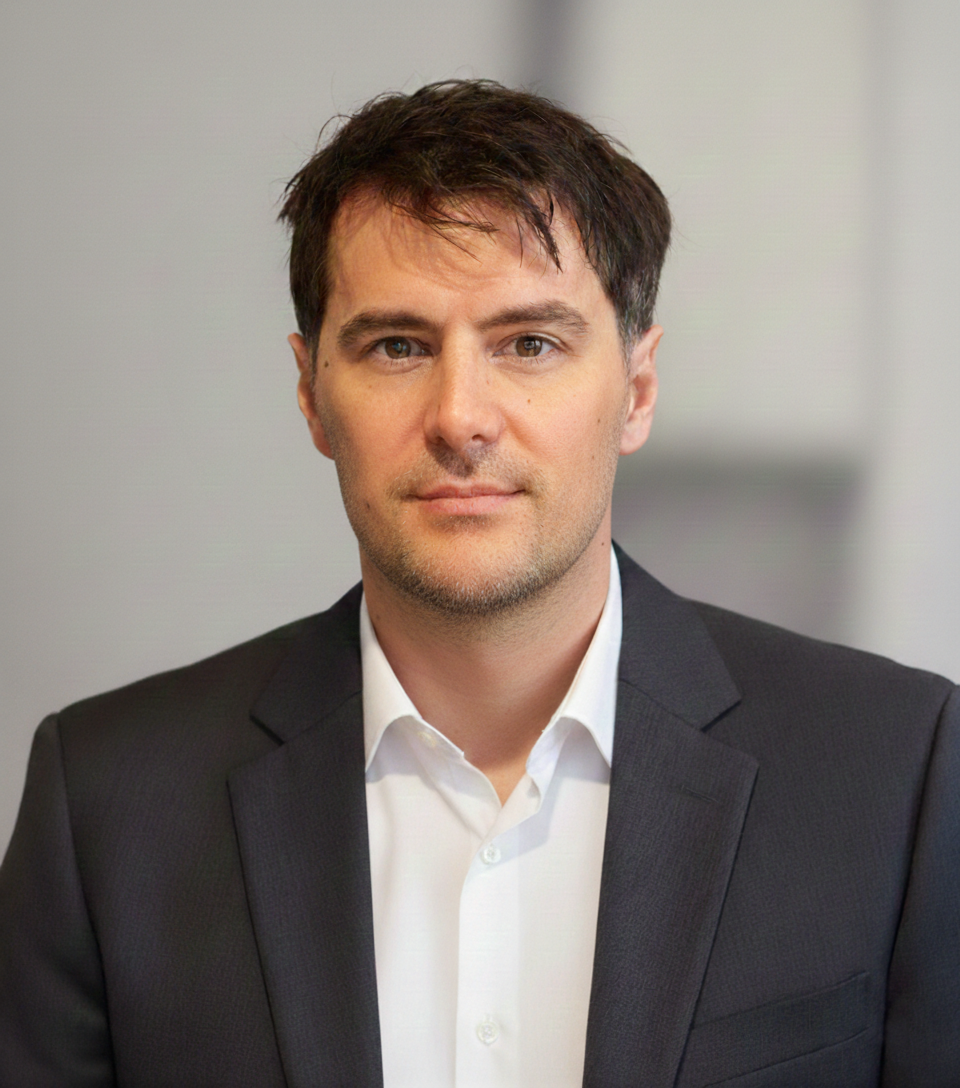
Mark Scetta of Stellar Audio Forensics LLC

My name is Mark Scetta. I'm an independent forensic audio examiner with 25+ years in professional audio. I handle all communication, analysis, and reporting personally, one point of contact from intake through testimony.

I use a structured, standards-aligned workflow for every examination to support confidentiality, chain of custody, and SWGDE and ABRE guidance from the first conversation to the final report.

Published author, SEAK-trained expert witness, AES and HTCIA member. Available for retention by plaintiff or defense counsel.

Start With a Consultation

A brief conversation helps determine whether your recording is suitable for forensic analysis and what level of documentation is appropriate.

"The biggest help was finally having clear answers. Seeing everything laid out plainly gave me relief and confidence that the facts were becoming clearer."

- Kevin D.